7 Powerful Roofing Layers Explained: Protect Your Home Like a Pro
When it comes to protecting your home, one of the most critical components is your roof. But it’s not just a single barrier; it’s a multi-layered system—each with a distinct purpose to keep your home dry, insulated, and structurally sound.
In this article, we’ll break down the layers of roofing materials on your roof, explain what each one does, and why they all matter in your roof’s long-term performance.
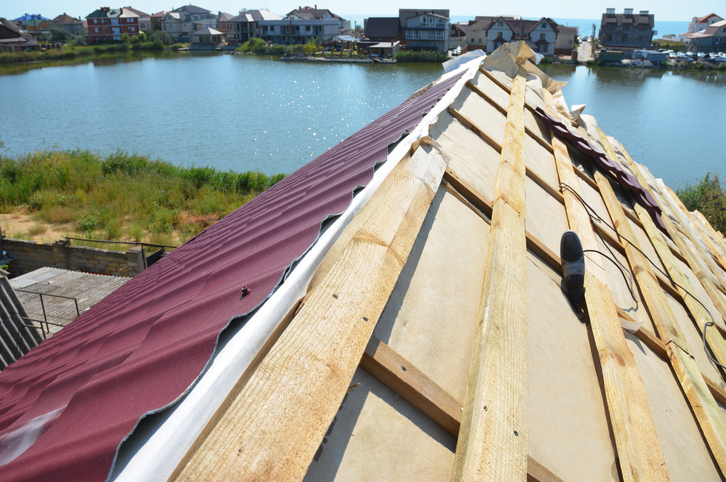
1. Roof Decking: The Structural Foundation
Also called sheathing, this foundational layer is made from plywood or oriented strand board (OSB).
- Supports all other layers
- Holds up weight from shingles and snow
- Ensures structural integrity
2. Underlayment: The Moisture Barrier
Installed directly on top of decking, typically made of felt paper or synthetic material.
- Acts as a secondary waterproof barrier
- Protects wood from leaks
- Prevents mold and rot
3. Roof Flashing: Your Leak Defense System
Thin metal sheets placed around vents, chimneys, and valleys.
- Directs water away from joints
- Prevents leaks in vulnerable spots
- Extends roof life
4. Shingles or Roof Covering: The First Line of Defense
The visible layer—can be asphalt, metal, tile, or composite.
- Blocks UV, wind, and water
- Enhances curb appeal
- Improves energy efficiency
5. Roofing Ventilation: Controlling Temperature & Moisture
Allows air to flow through the attic.
- Reduces summer heat
- Prevents condensation in winter
- Lowers energy bills and extends roof life
6. Ridge Cap Shingles: Protection at the Peak
Located at the top ridgeline where roof slopes meet.
- Blocks debris and rain from entering
- Made more durable than regular shingles
- Adds clean, polished look
7. Why Professional Installation Matters
Poor installation can lead to:
- Leaks and water damage
- Structural failure
- High utility bills
Trust experienced roofers like Red Pros Roofing, Inc. for peace of mind.
Get the Best Protection in Sarasota, Bradenton & North Port
At Red Pros Roofing, Inc., we bring expertise, premium materials, and community-tailored solutions to every job.
- Sarasota, FL
- Bradenton, FL
- North Port, FL
- Venice, FL
- Lakewood Ranch, FL
📞 Call 941‑800‑7490 or fill out our online form to schedule your inspection.
Let us ensure every layer of your roof is doing its job—no matter where you live in the region.
Frequently Asked Questions
1. How many layers should a roof have? Typically five key layers: decking, underlayment, flashing, shingles, and ventilation.
2. Can I install a new roof over an old one? Yes, in some cases. Local codes and roof condition determine eligibility.
3. How long does roofing underlayment last? Felt: 10–15 years. Synthetic: 25–35 years.
4. Do all roofs require flashing? Yes. It’s critical for joints, valleys, and roof penetrations.
5. What happens if ventilation is poor? You risk mold, rot, high energy bills, and reduced roof lifespan.
6. Why are ridge cap shingles different? They’re more durable and designed to protect your roof’s most exposed peak.